

Real Estate Newsletter Content Ideas
Are you looking for real estate newsletter ideas that boost engagement and convert subscribers into clients? Here are 10 content ideas that will transform your email list into your most powerful lead generation tool.
Your email newsletter is one of your most valuable assets as a real estate professional. While social media and paid advertising are just as important, your email list remains a direct line to potential clients who have already expressed interest in hearing from you.
The difference between a newsletter that gets opened and one that gets deleted often comes down to its value. The secret is to create content that keeps subscribers engaged without overwhelming them.
Your email list subscribers did not sign up to receive weekly sales pitches but rather for relevant real estate information and market insights. The agents who succeed with email marketing recognize this and craft content that educates first and sells second.
Whether you are just now starting your real estate newsletter or looking to revitalize an existing one, let's explore 10 content ideas that will help you create emails your subscribers actually look forward to receiving.
Check out these real estate newsletter content ideas
1. Neighborhood Spotlights
One of the best things you can do as a real estate professional with a newsletter is to write about specific neighborhoods in your market. People moving to your area want to learn about the best places to live, and providing this information in a newsletter will offer subscribers significant value.
Go beyond basic neighborhood statistics and include hidden gems, such as the best coffee shops locals love, upcoming community events, or information about the local school district. Utilize keyword research to help you. This type of neighborhood spotlight will help both potential buyers researching areas and current homeowners.
Structure each newsletter with consistent sections so subscribers know what to expect. Start with key statistics such as the median home price and typical property types in each neighborhood, followed by key lifestyle elements that homebuyers would want to know.
Consider interviewing a long-time resident or business owner in the neighborhood to add authenticity. Ask them what they love most about the neighborhood, what has changed over the years, and what they would want newcomers to know.
 2. What Homes Sold and Why
Another newsletter content idea is to take a recent sale in your market and analyze what made it successful. Was it priced strategically? Did staging make a difference? Was the timing perfect? Discuss general insights that help readers understand the current market.
The home that you decide to feature in your newsletter does not have to be your own listing. You could feature a home that sold way over asking price or a property that sat on the market for months before finally selling after a price adjustment.
This type of newsletter content should be structured like a story by describing the property and situation, walking through the challenges, talking about the outcome, and analyzing why it happened.
This type of content demonstrates your market knowledge while helping sellers understand what actually drives results, and it shows buyers what they are competing against. This is genuine educational content that gives you credibility as an agent.
3. Market Myth Busters
The housing market has many misconceptions that may hold people back from making good decisions regarding home buying and selling. Use your newsletter to tackle market myths with real-life data and examples from your local area.
Start by listing out common myths that you hear repeatedly from clients. Structure each myth-buster the same way by stating the myth clearly, explaining why people believe it, presenting the reality with local data, and providing specific examples from your market.
Common real estate myths include needing 20% down, spring is the only good time to buy/sell, selling your home FSBO (for sale by owner) always saves money, and home renovations always increase home value. Make sure to back up your myth-busting with verifiable information and acknowledge any truth without misconception.
This type of content positions you as a trustworthy source willing to tell the truth. Subscribers remember agents who educate them. When readers eventually work with you, they will be better informed and realistic about the process.
.png) 4. Behind-the-Scenes Content
4. Behind-the-Scenes Content
Be transparent about what actually happens during a transaction and talk about the behind-the-scenes as a real estate professional. This type of newsletter explains the steps from offer to close, common delays and how to avoid them, or a day in the life as an agent, showing everything that goes into serving clients.
To make your newsletter stand out, take pictures throughout your week (without identifying clients) to make it visual and engaging. This type of content shows your expertise and dedication before they hire you. It also sets realistic expectations, so future clients know how their own transaction will work.
5. Local Market Information
Instead of forwarding generic market reports from your MLS, create your own local analysis focused on specific topics that your subscribers care about. Utilize SEO and break down the market by property type, price range, or specific neighborhood.
Create a consistent template for market information so each report looks similar but focuses on updated content. Discussing local market information in your newsletters lets subscribers feel like they have insider knowledge.
Provide analysis and interpretation, not just facts and data that they might not understand. Local market reports are essential for keeping past clients engaged since homeowners love to know what is happening with property values, even if they are not planning to move soon.
 6. Expert Interview Series
One of the best ways to keep subscribers engaged is to interview local professionals that your clients need. This could mean interviewing mortgage brokers, home inspectors, contractors, insurance agents, estate attorneys, or interior designers. Ask them to address common questions or share recent trends that impact homeowners and buyers.
Becoming a successful real estate professional is all about networking and establishing yourself as an expert in the field. While it might take some time as a new agent, developing relationships with top-rated professionals in complementary fields is essential.
Reach out to your network and set up interviews with people whom you would confidently refer to your own family. Prepare questions that address real concerns your subscribers have and conduct your interview either in person, over the phone, or via video call.
The best part about this newsletter type is that interviewed professionals often share the newsletter content with their own networks, further expanding your reach. This provides genuine value while building your network and showing that you are connected to quality professionals.
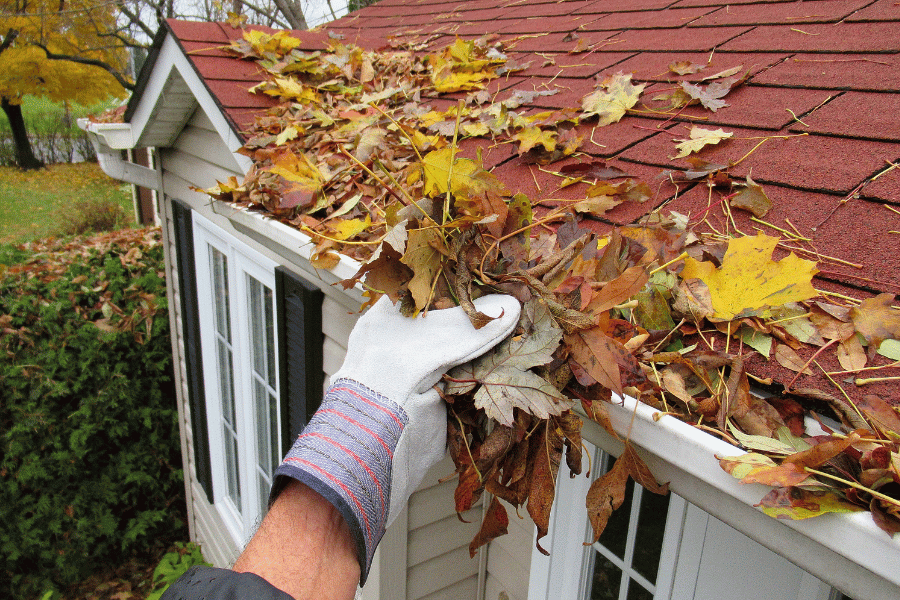
7. Seasonal Home Maintenance Guides
Sending out seasonal home maintenance guides and checklists is a great way to keep both past and potential clients engaged. Create content tied to the calendar with specific tasks that homeowners should tackle each month, depending on the season, with local considerations based on your climate.
Provide specific information about what to do and what not to do that homeowners can follow. Include rough estimate costs for each task and include brief explanations of why each task matters. Include seasonal safety reminders relevant to your area.
To transform your email from information they read and forget into a tool that they can actually use, consider creating a downloadable PDF checklist that subscribers can print and keep physically in their home. When homeowners face unexpected issues, they will remember that you have been helping them maintain their home all along.
 8. Investment Property Analysis
For markets with investor activity, it is a good idea as a real estate professional to provide a quarterly analysis of rental market trends and the best neighborhoods for cash flow in your area.
Even if only a small percentage of your list is interested in investment properties, these subscribers are often your most engaged and likely to transact multiple times with you. Create quarterly reports specifically for them in your newsletters.
Start by talking about vacancy rates, average days to lease, and whether rents are rising and falling. Compare this to the same quarter last year to show trends. Then, analyze cash flow potential by neighborhood or property type, followed by average expenses that an investor can expect, including property management and maintenance costs.
Investment property content builds your reputation as a real estate professional. By providing analysis, you are attracting serious investors who need an agent who understands return on investment. This content also positions you as the expert when investors want to sell, not just buy, rental properties.
9. Real Client Questions Answered
Dedicate space in each newsletter to answering questions from your audience. This is a great way to involve the audience, and subscribers can see their concerns addressed and feel heard. This way, you will also never run out of relevant content ideas.
Answer frequently asked questions that you hear from past and current clients. You can also create a simple submission process through a Google Form or an email address where subscribers can send their questions. This can be promoted at the end of every newsletter.
This type of content addresses concerns that others probably share but have not asked. Answering client questions makes your newsletter more relevant, as you are addressing actual subscriber concerns rather than guessing what might interest them.
 10. Industry News
When significant real estate news breaks, you should address it in your newsletter. Whether it be interest rate changes, local zoning decisions, or major developments, this is a great way to provide your informed perspective as a professional in the industry.
Describe what happened, what it means nationally, and what it means specifically for your market and subscribers. For local news, such as a zoning change or a major employer announcing expansion, explain the likely impact on property values and neighborhoods.
When writing, keep your tone informed and acknowledge uncertainty where it exists. Most of the time, people see headlines but do not understand how they are personally affected. This newsletter content positions you as the go-to person for important real estate information and reinforces your value.
Methodology
Data was sourced from Yahoo Finance and the National Association of Realtors to determine the best real estate newsletter content ideas that keep subscribers engaged.
FAQs
What to include in a real estate newsletter?
A real estate newsletter should include real estate tips and insights for homebuyers and sellers, local community events, local market updates, property insights, personal stories, and spotlights on local businesses.
How to come up with engaging content?
To come up with engaging content, provide unique, insider information as a real estate professional. Include high-quality photos, videos, and interactive infographics that will appeal to subscribers.
How often should a newsletter be sent out?
Real estate agents should aim to send out a newsletter to email subscribers once or twice a month. Once you pick a reliable schedule, stick with it to build trust. Bi-weekly content often gets more clicks, while once-a-month content gets more openings.
Real Estate Newsletter Content Ideas - Final Thoughts
The most successful real estate newsletters are consistent and deliver value to their subscribers every single time. These ten content ideas provide a foundation for building a newsletter strategy that keeps subscribers engaged month after month.
Building an engaged email list is a long-term strategy. You will not convert every subscriber into a client right away, but by providing value without constant sales pressure, you are building relationships that result in business when subscribers are actually ready to make the move.
As you implement these strategies, having the right tools makes all the difference. AgentLoft provides real estate professionals with an all-in-one platform designed specifically for generating leads and building a successful business. Whether you are looking to attract serious buyers and sellers or qualify real estate leads, get started today with AgentLoft.